
Windbreak Trees
Growing In Shelter
2
min
Coffee plants are sensitive to various environmental elements like water, sun and wind. All of these impact their overall health and wellbeing. Through the implementation of regenerative agriculture practices, we have been able to support coffee farms around the world, helping them adapt to these environmental elements and support their farms for future crops.
The trouble with wind
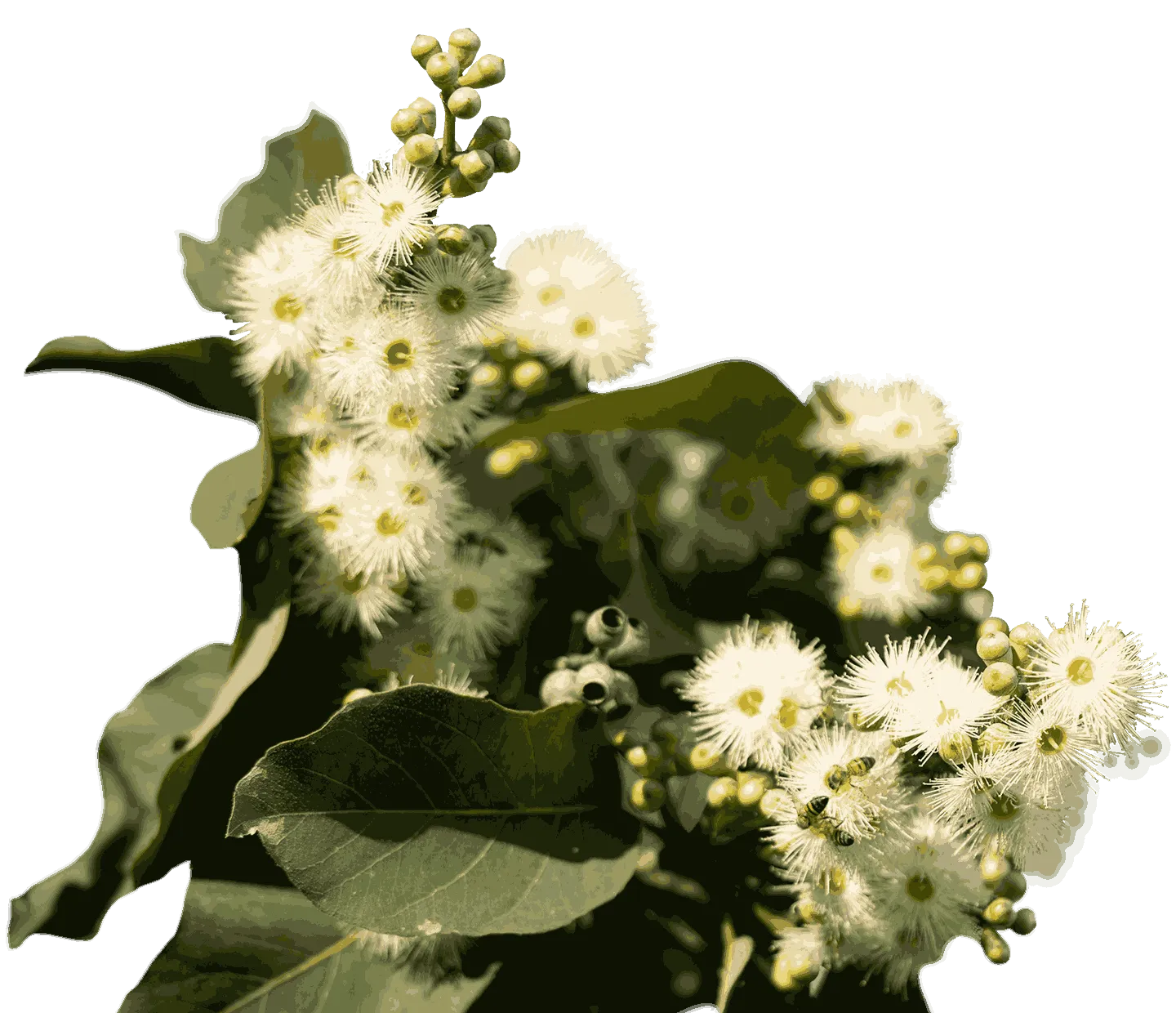
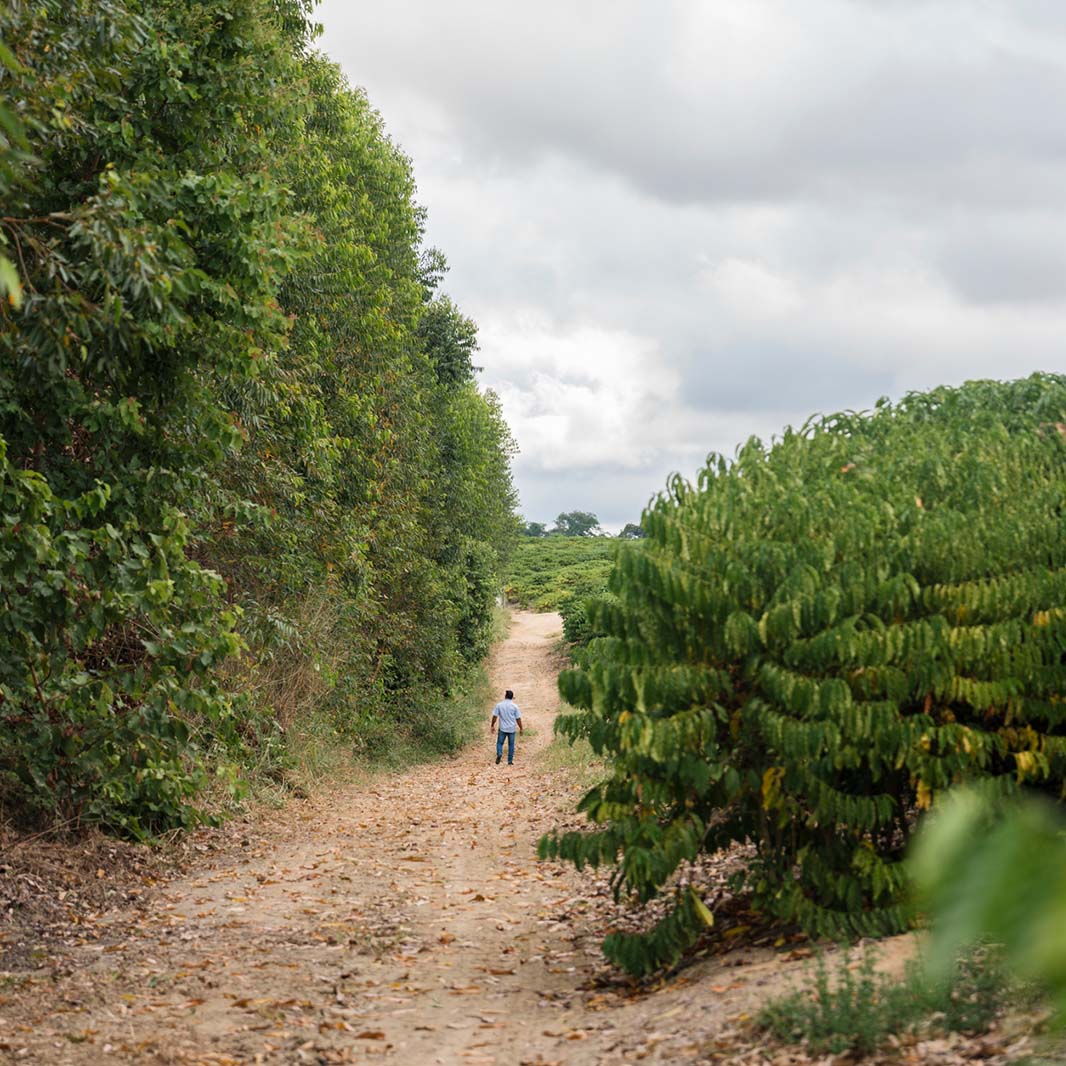
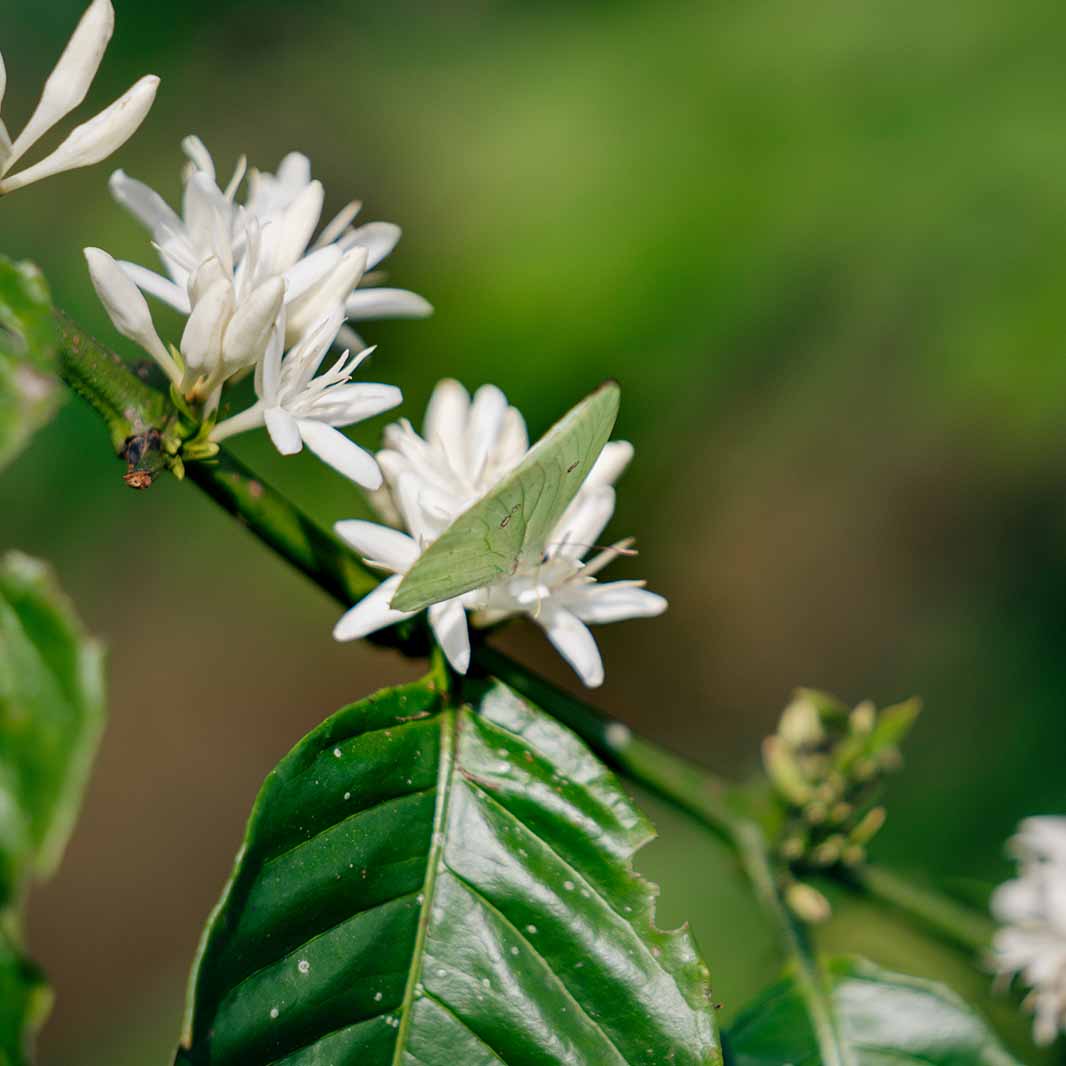
On Brazilian farms, wind can cause numerous issues. Conilon crops – a type of coffee grown in Brazil – are sensitive. They don’t fare well in strong gales and can suffer damage. In the past windy conditions resulted in major losses for farmer Eduardo Bortolini, compromising his output. “Strong south winds during flowering can cause a significant drop in flowers,” he says. This leads to less coffee cherries and a smaller yield. In short: not an ideal start to the coffee production process.
The right trees
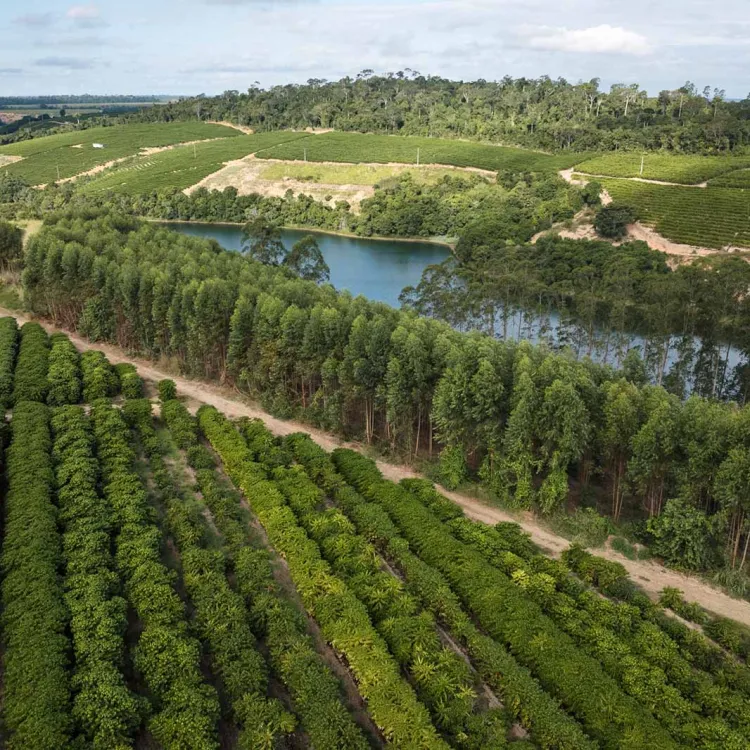
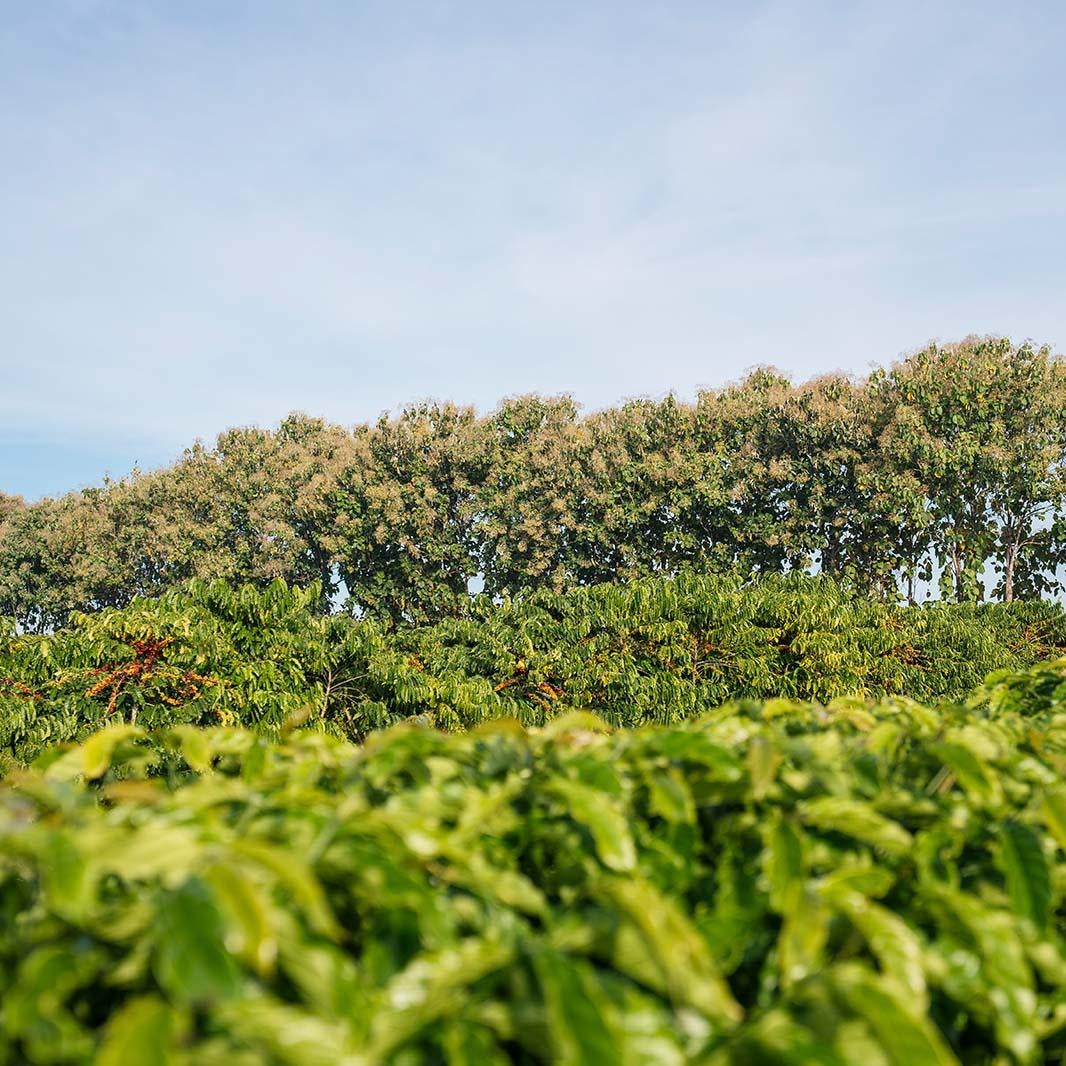
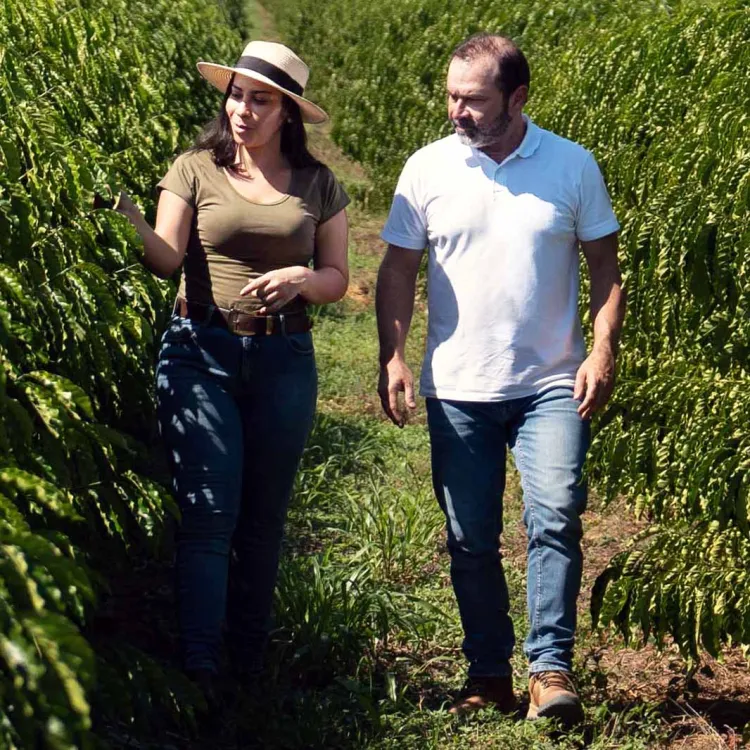
Eduardo made various attempts to address this issue. “We used wind-breaking techniques that didn’t suit my farm,” he says. “Then we started working with Liliane Céo who introduced us to other solutions.” Liliane, a NESCAFÉ® Plan agronomist, suggested trees that are good wind breakers, serve as hedges or protect water bodies without damaging coffee crops. This initiative is an example of how we’re introducing regenerative agriculture practices to support ecosystems on coffee farms.

A shared commitment
“The benefits are already visible here,” says Eduardo, referring to the noticeable changes in his farm’s output. “NESCAFÉ® provided me with the right solutions,” he says. By introducing specific techniques to address localised problems, we are delivering on our commitment to farmers like Eduardo. “These regenerative agriculture practices are giving us the right kind of balance,” he says. “And I’ll continue to focus on that, together with NESCAFÉ®.”
FAQ
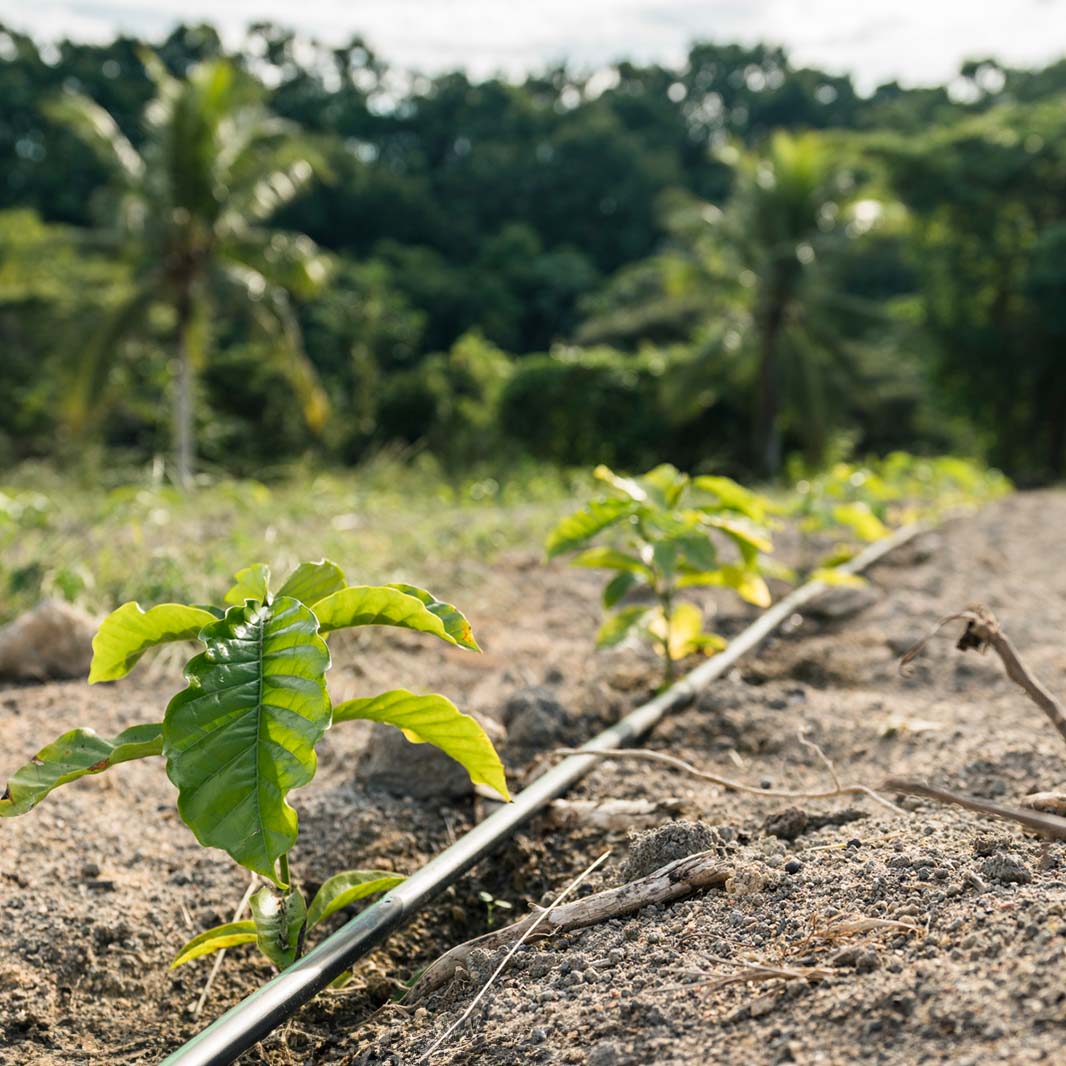
In line with the Sustainable Agriculture Initiative Platform, NESCAFÉ® defines “regenerative agriculture” as an approach to farming which aims, through practice adoption, to conserve and restore natural resources, primarily soil, as well as water and biodiversity, while capturing carbon in soils and plant biomass, and to support farmers’ livelihoods. Key practices promoted under the NESCAFÉ® Plan include efficient water use and optimised use of inputs.
Learn more: NESCAFÉ® Plan 2030 Progress Report 2025
See how we're growing coffee with nature
Discover how NESCAFÉ® supports coffee farmers in leveraging regenerative agriculture practices to work in harmony with nature.